Master the Road: Best Driving Courses and Lessons for First-Time Drivers
Managing the journey of becoming a proficient driver can be intimidating for new learners. Selecting the right driving course is crucial, as it influences the basis of their driving experience. Various options exist, from private lessons to web-based classes. Each provides unique benefits tailored to individual requirements. Knowing what to expect in beginning lessons and fundamental skills is vital. However, the primary question remains: how can new drivers ensure they are truly ready for the road ahead?
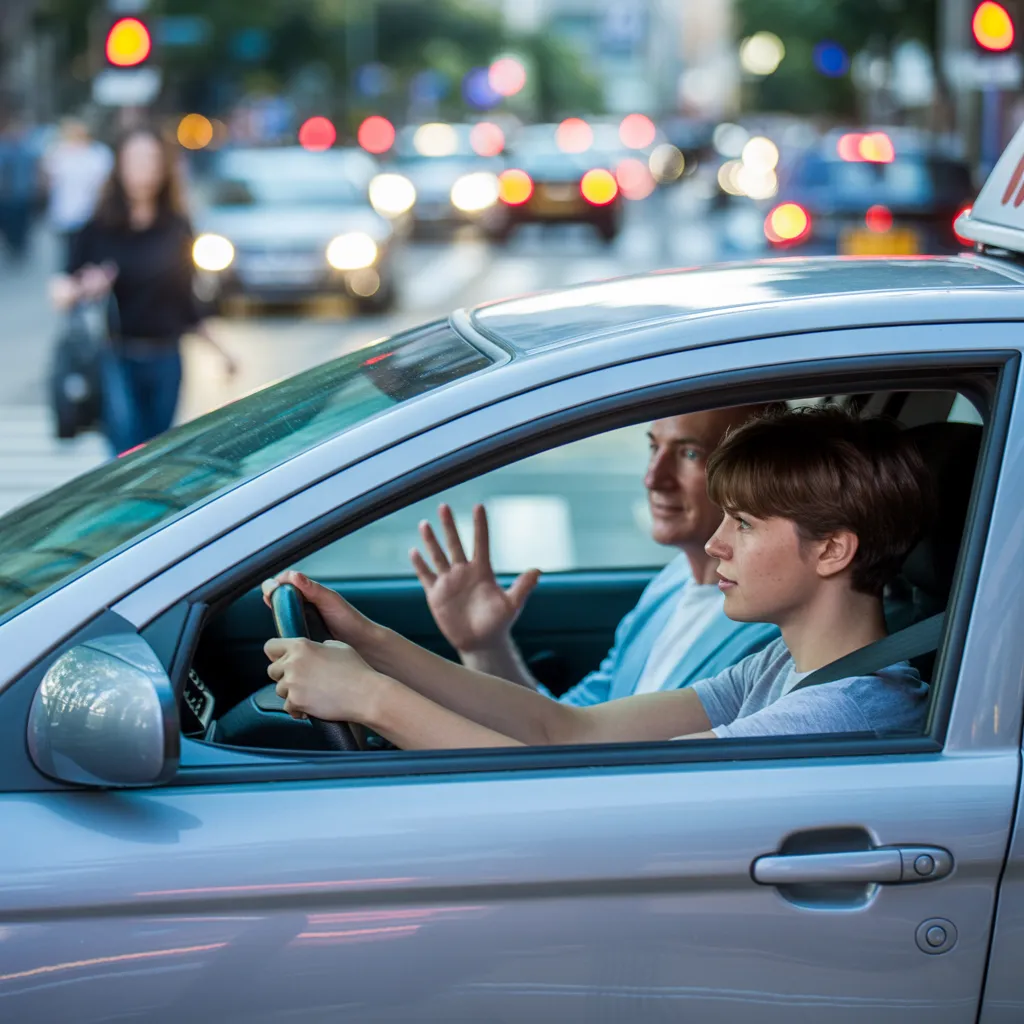
How to Choose the Right Driving Class for Your Needs
What is the best way to identify the best driving course to address personal goals? Selecting the right driving class means considering individual requirements, such as previous knowledge, learning style, and schedule flexibility. Beginner drivers should evaluate whether they are more Driving School comfortable with face-to-face or remote teaching, as well as the ability to arrange sessions around their schedule. Additionally, assessing the reputation of driving schools through reviews and referrals can provide insight into their effectiveness.
Financial planning is another key aspect, since understanding the pricing of various courses confirms the choice aligns with monetary boundaries. Furthermore, prospective students should inquire about the expertise of driving educators, as seasoned educators can considerably elevate the learning experience. Finally, aspiring road users should identify any specific skills they aim to master, such as highway navigation or defensive driving. By systematically analyzing these elements, people can reach an educated choice that suits their specific driving ambitions and needs.
What Are the Different Types of Driving Lessons?
While considering the numerous types of driving lessons available, new drivers can choose from private driving lessons, group classes, or online courses. Each option offers unique advantages based on personal learning styles and availability. Recognizing these distinctions is key to choosing the best method for developing driving proficiency.
Individual Driving Lessons
Numerous beginner drivers pursue personal driving tuition to gain confidence and skill behind the wheel. These lessons typically provide individual teaching, allowing for personalized learning experiences tailored to each individual's needs. Instructors often adapt their teaching methods based on the learner's pace, targeting key areas that need improvement, including parallel parking or motorway driving.
One-on-one driving sessions are available in different length, regularity, and difficulty, making them ideal for people who require a customizable learning plan or seek thorough preparation before a driving test. Furthermore, certain driving academies provide specialized lessons, such as advanced safety driving or readiness training for specific licensing exams. In summary, personalized driving sessions serve as an essential tool for beginner motorists seeking to improve their driving skills and awareness of safe driving practices.
Driving Classes for Groups
What options do new drivers have when it comes to group driving classes? Group driving classes provide a cooperative setting where several students are taught at the same time. These programs commonly incorporate classroom instruction covering road rules, safety procedures, and vehicle management. Students then take part in hands-on driving lessons under the guidance of a certified instructor.
Group classes come in a variety of formats, spanning community-based initiatives to programs provided by driving schools. Some classes may focus on specific demographics, including teens or senior drivers, whereas others may accommodate beginners across all age groups. Such classes not only deliver critical driving competencies but also build a sense of community among students, enhancing the learning experience.
Online Driving Courses
Although conventional driving lessons continue to be widely used, online driving courses are now recognized as a flexible alternative for new drivers looking to develop fundamental driving abilities. These courses generally include a variety of topics, including road regulations, defensive driving methods, and risk identification. Offered in multiple formats, they often include recorded lessons, practice assessments, and supplemental resources. Some programs even feature direct access to qualified instructors, allowing students to ask questions in real time. Additionally, online courses are designed to accommodate personal timetables, making them a great fit for learners with limited availability. Despite not offering the same physical experience as behind-the-wheel instruction, many online courses complement practical driving sessions, providing a thorough approach to driver education. This adaptability makes them an appealing option for many new drivers.
What You Can Expect During Your First Driving Lesson
In a new driver's first lesson, the driving instructor usually presents the automobile's controls and explains critical safety protocols. This introductory summary assists learners in grasping the significance of road safety. As they start their hands-on training, learners can expect to focus on basic maneuvers and road awareness.
Opening Lesson Breakdown
Interested in learning about what your first driving lesson will cover? First-time drivers will find a structured introduction to the vehicle and core driving skills. Typically, the instructor will begin with a brief orientation, explaining the car's controls and safety features. New drivers will discover how to set up mirrors, secure seatbelts, and interpret dashboard displays. The class generally focuses on a concentration on fundamental techniques such as engaging the engine, controlling the wheel, and applying the brakes. Instructors often emphasize the value of keeping concentration and adhering to road markings. Toward the conclusion of the class, learners can try driving in a secure, spacious location, progressively strengthening their driving abilities. Overall, the first lesson serves as a essential starting point, designed to ease beginners into the world of driving.
Fundamental Safety Guidelines
Following the first lesson covering vehicle familiarization and fundamental maneuvers, novice drivers should familiarize themselves with critical safety guidelines to promote a secure time on the road. First, they must always wear their seatbelts and make sure all passengers do the same. Understanding the vehicle's controls, including headlights, wipers, and turn signals, is vital for effective communication on the road. Maintaining a safe following distance helps prevent collisions, while being mindful of speed limits enhances safety. New drivers should also stay alert, avoiding distractions such as mobile devices. Finally, practicing defensive driving techniques—anticipating potential hazards and being prepared to react—will greatly improve their chances of safe driving. Following these guidelines guarantees a solid foundation for responsible driving habits.
Essential Skills Every New Driver Should Master
Mastering essential driving skills is essential for new drivers as they navigate the complexities of the road. First and foremost, new drivers must gain expertise in steering, braking, and accelerating smoothly to maintain control. Understanding traffic signs and signals is also essential, as it secures conformity with driving rules. New drivers should also practice appropriate lane transition and merging procedures, which are crucial for safe navigation.
Furthermore, parking techniques, encompassing parallel parking and handling restricted spaces, improve overall driving competence. Defensive driving methods prove vital in foreseeing dangers and responding correctly to other drivers. New drivers must also familiarize themselves with the operational controls and features of their vehicle, such as headlights, windshield wipers, and hazard signals.
Ultimately, honing these competencies instills confidence, empowering new drivers to make well-informed choices and enhance overall road safety. Prioritizing these abilities creates a firm foundation for lifelong responsible driving habits.
Comparing Online vs. In-Person Driving Lessons
As beginner drivers consider their choices for instruction, the selection between online and in-person driving lessons becomes a critical decision. Virtual driving courses provide convenience, permitting pupils to progress according to their own timeline. These lessons often include multimedia content, interactive exercises, and evaluations that accommodate various learning preferences. However, the shortage of live instruction and physical practice may limit the progress of some drivers.
In contrast, hands-on driving lessons provide direct contact with driving instructors, allowing for prompt feedback and individualized instruction. This hands-on approach can strengthen fundamental skills with greater efficiency, as learners gain experience in actual driving environments. Moreover, in-person lessons foster a sense of accountability and commitment.
Ultimately, the choice is influenced by each learner's study habits, schedules, and personal comfort. A blended method, integrating both digital theory lessons and practical in-person training, may offer a comprehensive solution for many new drivers, ensuring a solid grasp of driving fundamentals.
Key Techniques for Building Confidence While Driving
Gaining confidence as a driver is a fundamental component of developing strong driving abilities, especially for individuals who have recently wrapped up their driving courses. A highly beneficial approach is to practice regularly in a variety of environments, including congested city roads, open highways, and peaceful suburban streets. This exposure helps new drivers become familiar with different driving conditions. Another helpful method is to establish realistic milestones, such as mastering parallel parking or maneuvering roundabouts, which can enhance their sense of accomplishment.
Moreover, having a trusted friend or family member accompany you can provide encouragement and constructive feedback, which helps reduce nervousness. New drivers also benefit greatly from familiarizing themselves with vehicle controls and safety features, fostering a deeper understanding of their car. As a final point, adopting a constructive outlook and imagining positive driving outcomes can substantially enhance confidence. Combined, these strategies establish a strong basis for novice drivers, empowering them to tackle the road with heightened self-assurance.
How to Prepare for Your Driving Test: Tips for Passing
Even though the thought of taking a driving test may seem overwhelming, adequate preparation can significantly improve a new driver's likelihood of passing. To begin with, studying the driving handbook is crucial, as it provides essential guidance on road signs, rules, and driving regulations. Booking training sessions with an experienced instructor can help sharpen critical skills, such as lane changes and parallel parking. Additionally, new drivers should familiarize themselves with the testing route, where available, so as to ease nervousness on the day of the exam.
An additional key consideration is applying defensive driving methods, which can positively impact your examiner's assessment. On the day of the test, it's recommended to arrive early, ensuring ample time to relax and focus. Maintaining a calm demeanor throughout the test is critically important; feeling stressed can cause unnecessary slip-ups. Lastly, demonstrating confidence and clear communication with the examiner can create a favorable impact, ultimately helping you achieve a successful test result.

Questions Our Clients Often Ask
How Much Do Driving Classes Typically Cost?
Driving lessons generally range between $50 to $150 per session, depending on the provider and location. Package deals may reduce the overall cost, while extra charges for study materials or licensing can further impact the total cost.
Can I Attend Driving Lessons if I'm Under 18?
Yes, individuals under 18 can take driving lessons. The majority of driving schools offer programs particularly designed for teenagers, typically including a combination of classroom-based education and hands-on driving experience to secure comprehensive education and safe driving habits.
What Do I Need to Bring to My Driving Lessons?
A student needs to have a valid learner's license, a notebook for notes, comfortable and suitable clothing, and all necessary documentation. Furthermore, bringing a writing utensil, hydration, and light snacks can make the driving lesson more enjoyable and productive.
Are There Any Discounts for Group Lessons?
A number of driving schools offer reduced rates for group sessions, encouraging family members or friends to study together. Such discounts can vary, so it is recommended for prospective students to reach out to the specific driving institution for additional details.
How Long Does It Take to Complete Driving Lessons?
Generally, finishing driving lessons requires about 4 to 6 weeks, based on the individual's schedule and how many classes are attended each week. Elements like previous experience and the speed of learning can also affect this timeframe.